Howdy Rope: A Cowboy Embroiderer's Review
As I prepare my samples for the weekend craft fair, I’m looking at every design with a critical eye. It’s not just about whether I like it—it’s about whether it will sell, look great on the finished product, and be practical to produce in batches. Today, I’m reviewing the Western Country Cowboy Rodeo Howdy Rope embroidery design for exactly that.
The First Impression: Bold & Unmistakably Rustic
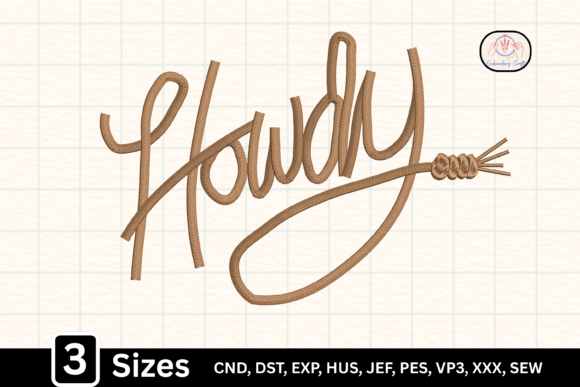
This design announces itself. The concept of rope lettering for “Howdy” is instantly recognizable and leans hard into a authentic, rustic western aesthetic. It doesn’t feel cute or minimal; it feels bold and decorative. This is a strength. At a craft fair, surrounded by countless booths, a design that communicates its theme clearly and confidently from three feet away is a valuable asset. It’s pure country cowboy charm, which, if your target audience is there, is a direct hit.
Where It Stands Out: Product Application
Let’s walk through my typical craft fair table and imagine where this machine embroidery design would shine.
Strong Contenders for Booth Display
- Tote Bags & Market Bags: This is a prime candidate. The design is large enough to be a focal point on a bag’s front panel. On a natural canvas or denim tote, the rustic rope texture would pop, feeling both handmade and premium.
- Aprons: A kitchen or workshop apron, especially in a neutral or dark fabric, would carry this design beautifully. It’s conversational and fits the “hardworking” vibe of an apron.
- Pillow Covers: In a farmhouse-style booth, an embroidered pillow cover with this design could be a standout home decor item. The scale works perfectly for a pillow front.
- Caps: While curved surfaces can be tricky, a “Howdy” on a cap is inherently fun. It would need careful testing for placement, but the result would be a highly wearable, attention-gathering product.
Potential for Smaller, Giftable Items
- Tea Towels & Kitchen Towels: This design could anchor a towel beautifully. Be mindful of the fabric texture; a smoother linen or cotton might show the detail better than a heavily textured towel.
- Patches: A standalone embroidered patch featuring this rope letter “Howdy” could sell well. People love patches for jackets, bags, and hats. It’s a lower-cost item that draws buyers into your booth.
- Fabric Pouches & Small Gift Items: On a small pouch, it might need to be scaled down, which requires testing. But as a statement on a simple zipper pouch, it adds value and theme.
The Practical Production Perspective
Here’s where my experience as an embroidery designer for handmade products really kicks in.
Ease of Production & Sale
The design is easy to understand at a glance—a major plus for both batch production and customer comprehension. It works best as a large focal design rather than a small accent. For Etsy sellers and small shop owners, this matters: it photographs well for online listings. A clear, thematic design on a clean product background makes for strong printable mockups and listing photos.
It also feels repeatable. Once you have your settings dialed in—the right stabilizer, thread colors, and hoop size—producing multiple tote bags or aprons should be consistent. This is key for craft fair inventory.
Careful-Use Notes & Testing
No embroidery file goes straight to a final product without testing. For the Western Country Cowboy Rodeo Howdy Rope, here are my specific checks:
- Stitch Density & Fabric: Rope textures can involve dense stitch areas. I’d test on scrap fabric first, especially on thick fabrics like denim or on textured tea towels, to ensure clean stitching without puckering.
- Scale & Clarity: The “rope” detail and any small lettering within the design must retain clarity if you scale it down for a cap or pouch. Losing definition at smaller sizes is a common pitfall.
- Thread Contrast: On dark fabric, you’ll need bright, high-contrast thread (creams, whites, tans) to make the design pop. On light fabric, darker browns or blacks would enhance the rustic feel. I’d create real mockups in at least two colorways.
- Hoop Size & Stabilizer: The design’s natural width suggests a larger hoop. Confirm the required hoop size from the embroidery file details before planning your products. Using the correct stabilizer for each fabric type (woven vs. knit, towel vs. bag) is non-negotiable for professional quality.
Why It Works for the Craft Fair Floor
Beyond the stitch details, this design affects the business side of your booth.
Customer Attention & Product Value
The Western Country Cowboy Rodeo Howdy Rope design has visual weight. It makes a tea towel look like a crafted item, not a generic one. This perceived handmade quality increases its value and justifies a higher price point. In a booth, a row of totes or aprons featuring this consistent, bold design creates a strong, thematic display that draws people in. It encourages engagement—customers will comment on it, which is a perfect sales opportunity.
A Note for Digital Sellers & Commercial Use
If you’re a digital seller offering the file itself, or using it for commercial embroidery products, the appeal is clear. It’s a ready-to-use design asset with strong genre appeal. However, always confirm commercial licensing before selling any finished products. The product description mentions it’s an embroidery file, but the specifics are crucial for your business.
In the end, the Western Country Cowboy Rodeo Howdy Rope design is a solid choice for the cowboy cowgirl niche. Its bold, rustic character translates well to key craft fair products like totes, aprons, and pillows. With careful production testing—especially regarding scale, stitch density, and fabric choice—it can become a reliable, attention-gathering part of your handmade product lineup. For any embroidery business owner heading to the fair, that’s the kind of design you want in your hoop.